 Ultimate guide
Exclusive Travel Experiences for Families: A Planning Guide
Exclusive doesn't always mean the most expensive.
Last Updated: October 28, 2026
Quick Summary
Exclusive travel experiences for families aren't defined solely by luxury or private access. The most meaningful journeys reflect the interests, personalities, abilities, and budgets of the people traveling together. From specialized adventures and cultural discoveries to multigenerational celebrations, thoughtful planning transforms a vacation into a shared family story.
Table of Contents
- What Makes a Travel Experience Truly Exclusive for Families
- Multigenerational Family Vacation Planning: Matching Trips to Every Age
- Private Family Tours and Wildlife, Polar, and Cultural Adventures
- Family Reunion Vacation Destinations Worth Planning Around
- Building a Personalized Family Travel Itinerary Without Overplanning
- Budgets, Timing, and Logistics: What Luxury Family Travel Really Involves
- Booking Your First Family Itinerary with a Planner
- Your Family. Your Interests. Your Kind of Extraordinary.
- Frequently Asked Questions
What Makes a Travel Experience Truly Exclusive for Families
Some of the most memorable family travel experiences happen behind doors that aren't usually open to the public. Others happen around a crowded dinner table, on a winding trail, or during an unexpected conversation with someone who calls your destination home.
What makes an experience extraordinary isn't always its exclusivity. It's how perfectly it fits the people sharing it.
For one family, that might mean a privately guided safari where three generations experience wildlife together. For another, it's exploring the places their grandparents once called home, learning to make pasta in an Italian kitchen, or discovering a destination through the eyes of a teenager fascinated by its history.
At The Curated Mile, we believe the most meaningful journeys begin with understanding the travelers—not simply choosing the destination.
That means considering everyone's interests, personalities, travel styles, abilities, and budgets. It means knowing when a private experience is worth the investment and when something simpler might create an equally lasting memory.
Exclusive travel experiences for families aren't necessarily defined by their price tags. They're defined by their personal significance.
A dedicated guide who adjusts an itinerary around your family's interests can transform a familiar destination. A thoughtfully selected accommodation can give three generations room to reconnect. Even an ordinary afternoon can become extraordinary when everyone has the freedom to explore something they love.
Because the experiences worth remembering aren't necessarily the most expensive. They're the ones that become part of your family's story.
Multigenerational Family Vacation Planning: Matching Trips to Every Age
A trip that works for a toddler and a grandparent at the same time takes more planning than most families expect. The goal is not to find one activity everyone enjoys equally, but to build a rhythm where each age group gets something it values. Most destination roundups stop at "kid-friendly" and leave you to guess whether a given experience suits a four-year-old or a fourteen-year-old.
A practical age-fit framework
Rather than sorting children into broad labels, match the trip to four things: stamina (how many hours of structured activity before a meltdown), attention span (how long a guided talk or game drive holds), physical size (whether gear, seats, and life jackets fit), and tolerance for discomfort (heat, cold, altitude, motion). A family with a three-year-old and a twelve-year-old is really planning two different trips that share a hotel.
- Under 4: Predictable routines, shade, short outings, and a base with a kitchen or laundry matter more than any single excursion. Skip long game drives, multi-hour transfers, and anything requiring sustained quiet.
- Ages 5-8: Hands-on activities and animals land best. Half-day outings with a clear finish work; full days usually don't. This is the age when a private guide earns their keep, because the plan can bend around a short attention span.
- Ages 9-12: Kids this age can handle a full activity day if it alternates modes, a hike, then a boat, then a museum. They want to do, not just look. Junior ranger programs, snorkeling lessons, and guided wildlife walks fit well.
- Ages 13–17: Teenagers often become more engaged when experiences connect to their developing interests and sense of independence. Think fashion and design, motorsports, military history, music, food, photography, or outdoor adventure. Give teenagers a voice in the itinerary. Let them research an experience, select a restaurant, or choose an activity that reflects their personality. A teenager who helps shape the journey is more likely to feel invested in it.
- Ages 18 and older: Family travel doesn't end when children become adults. In many ways, it becomes an entirely new experience. Culinary adventures, historical explorations, cultural events, outdoor activities, and shared celebrations create opportunities to connect as adults. The key is balancing time together with the independence everyone has come to value.
Building the day in blocks
Plan around your family's natural rhythm rather than a fixed number of activities. One family might enjoy a guided morning excursion followed by an afternoon at the pool. Another might prefer a full day of exploring with a leisurely dinner afterward.
For multigenerational groups, consider building the day around one shared experience while allowing smaller groups to pursue their own interests. Grandparents might enjoy a relaxed café afternoon while teenagers explore a museum, shop, or participate in an adventure activity.
The goal isn't to keep everyone together every minute. It's to create enough shared experiences that everyone returns home with stories they can tell together.
Where age-fit changes the destination
Age suitability isn't abstract, it steers destination choice. A safari with a four-year-old is a different trip than a safari with a ten-year-old, and some operators set minimum ages for vehicles or walking safaris. Polar and cold-weather trips often have their own age floors. Coastal and national park gateways tend to be more forgiving across ages because you can scale each day up or down.
Accessibility, dietary, and sensory needs
Age is only one axis. Mobility needs, food allergies, and sensory sensitivities belong in the same planning conversation, and they're the details destination roundups routinely skip. Confirm with each property and operator, in writing, how they handle wheelchair access, gluten-free or nut-free meals, quiet spaces, and the nearest medical facility. Ask whether a guide has experience with neurodivergent children. The answers tell you more about fit than any star rating.
Private Family Tours and Wildlife, Polar, and Cultural Adventures
Private experiences can transform a family vacation, but exclusivity doesn't always mean having an entire venue or guide to yourself.
Sometimes it means arranging a specialized tour around a teenager's fascination with history, finding a local cooking experience that welcomes three generations, or choosing an outdoor adventure that accommodates different abilities.
Private guides, small-group experiences, and thoughtfully selected local activities each offer different advantages. The right choice depends on your family's interests, comfort, and budget.
A private experience may offer greater flexibility and personalization, while a small-group activity can introduce your family to fellow travelers and local perspectives. Neither is inherently better.
The most valuable experiences are the ones that create meaningful connections to the destination and to each other.
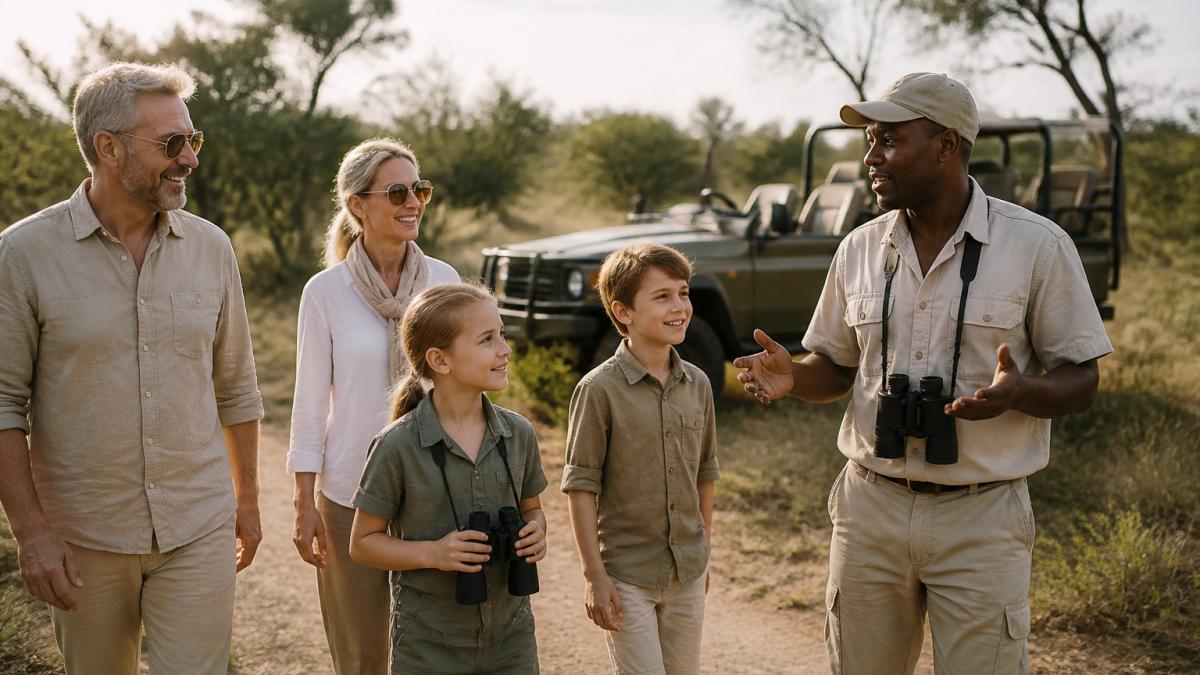
Safari and Wildlife Viewing for Children
Safari days are long and game drives can be quiet for stretches, which tests younger children's patience. Private vehicles let you stop when a child spots something and leave when attention drops.
Ask the operator about minimum ages, vehicle safety requirements, appropriate seating and restraints, and the total duration of each excursion. Confirm that guides have experience accommodating families and that activities follow established wildlife safety practices.
Polar and Cold-Weather Experiences
Polar and cold-weather trips, such as dog sledding or ice-cave visits, are some of the most memorable things a family can do together. They also carry real cold-exposure risk for children, so age limits, layering, and guide experience matter a great deal.
Plan for a rest day after intense cold activities. Warm drinks, a heated lodge, and an early dinner make the difference between a happy group and a miserable one.
Cultural, Culinary, and Heritage Experiences
Some of the most meaningful family experiences happen when travelers connect with a destination through its people, traditions, and history.
A cooking class can bring generations together around a shared table. A guided exploration of an ancestral hometown can help children understand their family's history. A local artisan workshop might introduce a teenager to a craft or creative tradition they never knew existed.
These experiences don't necessarily require exclusive access or a luxury budget. What matters is choosing activities that reflect the interests and stories of the people traveling.
For families celebrating milestones, consider incorporating an experience that connects to the occasion. A graduation trip might include a destination related to a student's interests. An anniversary journey might revisit a meaningful place. A multigenerational vacation might explore a family's heritage or introduce younger travelers to traditions their grandparents remember.
The experience becomes more than an activity. It becomes another chapter in the family's shared story.
Family Reunion Vacation Destinations Worth Planning Around
Reunions bring together people with different budgets, mobility levels, and expectations, which makes destination choice the first real test.
Coastal towns, national park gateways, and cities with strong cultural offerings tend to work well because they give each subgroup its own way to spend the day. Reunion and multigenerational planning ideas and practical advice are collected in Together, Somewhere.
For a step-by-step approach to venues, budgets, and multigenerational ideas, our guide to planning a family reunion walks through the decisions in order.
Building a Personalized Family Travel Itinerary Without Overplanning
The most common itinerary mistake is packing every hour. Families who schedule nonstop activities usually end up exhausted by day three and resentful by day five.
Start with what each person most wants to do, then sort those wishes into must-do, nice-to-have, and skip. Build the anchors first, add rest days between the bigger outings, and reserve at least one slot per trip for a spontaneous choice.
Budgets, Timing, and Logistics: What Luxury Family Travel Really Involves
Creating an extraordinary family vacation doesn't require an unlimited budget. It requires understanding where your investment will have the greatest impact. Private guides, specialized transportation, unique accommodations, and exclusive experiences can add significant value, but they aren't necessary for every part of a journey.
For some families, the smartest approach is to invest in one or two exceptional experiences while choosing more moderately priced accommodations, transportation, or activities elsewhere. The goal isn't to spend more everywhere. It's to spend intentionally on the moments that matter most.
Understanding the true costs of accommodations, transportation, activities, taxes, gratuities, and travel protection also makes it easier to compare options and avoid unexpected expenses.
What actually moves the budget
Pricing depends on dates, group size, destination, and the level of service you choose. The levers are predictable, and knowing them lets you compare quotes honestly.
- Group size and room configuration. A family of five often needs a suite or two connecting rooms, which changes the math more than the destination does. Ask whether a property prices by room or by person.
- Private versus shared. A private guide and vehicle typically cost more per day than joining a small group, but the flexibility often replaces a second activity you'd otherwise book. Compare the two as packages, not line items.
- Season. Peak school-holiday periods often bring higher rates and tighter availability. Shoulder seasons can offer smaller crowds, improved availability, and more favorable pricing, although weather conditions vary by destination. Consider your family's school schedules, flexibility, and preferred experiences when choosing travel dates.
Timing: seasonality by experience type
Timing matters as much as budget, and it varies by trip type. Wildlife viewing follows animal and weather cycles, so the best months for a given destination are specific to that destination and its wildlife, ask the operator which months suit the species and conditions you care about. Polar and cold-weather operators have short operating windows and limited capacity, so book early.
Logistics where luxury trips go wrong
Travel logistics can have an outsized impact on the overall experience, particularly for larger families or multigenerational groups. Allow sufficient time between transportation connections, confirm accessibility and dietary needs directly with accommodations and activity providers, and review travel protection options carefully.
Some policies have exclusions or specific requirements for adventure activities and pre-existing medical conditions, so understanding coverage before departure is essential. Check passport validity, entry requirements, and any necessary travel documentation for every traveler, including children, well before departure.
For international travel, consult the U.S. Department of State for current passport and destination-specific guidance.
Health, safety, and responsible travel
Ask about vaccinations and health precautions for your destinations well before departure, and confirm the nearest medical facility at each stop. On the responsible-travel side, choose operators with clear wildlife ethics, no handling, no baiting, respectful distance, and favor community-led experiences where they exist.
The cost drivers and timing considerations that shape a family trip are easier to compare at a glance.
Factor | What it affects | What to check |
|---|---|---|
Group size and rooms | Accommodation cost | Whether the property prices by room or by person |
Private vs. shared | Per-day guide and vehicle cost | Compare as full packages, not line items |
Season | Rates and availability | Peak school-holiday weeks vs. shoulder seasons |
Inclusions | True total cost | Meals, fees, transfers, gear, and gratuities |
Experience timing | Best travel months | Ask the operator which months suit your wildlife or conditions |
Travel insurance | Coverage of planned activities | Adventure activities and pre-existing conditions |
Booking Your First Family Itinerary with a Planner
If you have never worked with a travel advisor, the process is simpler than many families expect. You describe your group, your dates, your interests, and your budget range.
Come prepared with a rough sense of your must-haves, the ages of everyone traveling, and any accessibility or dietary needs. Ask any advisor how they will coordinate changes, who you contact on the road, and how fees are structured before you sign anything. Compare the seven ways advisors charge so you know what each fee covers before you book.
At The Curated Mile, our approach begins with understanding the people behind the itinerary.
We take time to learn what matters to each traveler, from personal interests and meaningful milestones to preferred travel styles, accessibility needs, and budget considerations.
From there, we help design and coordinate the journey, including accommodations, transportation, experiences, and the details that bring everything together.
Whether you're planning a family reunion, celebrating a milestone, or exploring somewhere new together, the goal is the same: a thoughtfully designed journey that feels unmistakably yours.
Your Family. Your Interests. Your Kind of Extraordinary.
Every family travels differently.
Some are happiest exploring from morning until evening. Others prefer slow mornings, spontaneous discoveries, and time to simply enjoy being somewhere new.
Some want adventure. Others want connection, celebration, or the opportunity to share a place that has special meaning.
The most memorable journeys make room for all of it.
At The Curated Mile, we help families turn those different interests into thoughtfully designed experiences, coordinating the planning and booking details so you can focus on the moments that matter.
Whether you're bringing three generations together, celebrating a milestone, or simply ready to see somewhere new, we'd love to help you discover what extraordinary looks like for your family.
Tell us a little about the people traveling and the experiences you're imagining. We'll take it from there.
Frequently Asked Questions
What are exclusive travel experiences for families?
Examples of exclusive family travel include a private guide on a wildlife drive, a closed-door cultural visit, or a boutique lodge booked for one family. The defining feature is control: dates, pacing, and activities are shaped around the travelers rather than a standard package. Costs vary widely by destination, season, and group size, so the most reliable next step is to request a written quote from a planner for your specific dates and group.
How do you plan a luxury vacation that works for children and adults?
Start with the youngest traveler's stamina and the oldest traveler's comfort, then build days that alternate between active and restful blocks. Choose accommodations with flexible room configurations and on-site childcare or kids' programming where available. Plan one anchor experience per day rather than several, and leave open time for spontaneity.
How do you choose a family vacation destination for different ages?
Match destinations to developmental stages rather than to a single age range. Very young children often do better with shorter travel days, predictable routines, and nearby medical facilities. Older children and teenagers usually respond to hands-on experiences such as guided outdoor activities or cultural workshops. Confirm accessibility needs, dietary requirements, and weather patterns for your travel dates before committing to a destination.
What should you look for in a private family tour?
Look for a licensed or well-reviewed guide with experience in family groups, clear information on group size and pacing, and written details on what is included. Ask how the guide adapts when a child tires or a grandparent needs a rest. Confirm cancellation terms, safety protocols, and whether the operator carries appropriate insurance.
How long should a multigenerational family vacation be?
There isn't one ideal length for a multigenerational vacation. A long weekend may be perfect for a nearby family gathering, while an international journey might benefit from seven to fourteen days. Consider travel time, mobility, school and work schedules, and how much structured activity your group enjoys. For longer trips, fewer hotel changes and thoughtfully placed rest days often matter more than the total number of nights.
What makes a family trip feel personalized?
A personalized trip reflects the specific interests, limitations, and milestones of the people traveling. That might mean a guide who knows the family is celebrating a graduation, meals that accommodate dietary restrictions, or a free afternoon built around a child's favorite activity.
How can families make a trip feel special without overplanning?
Choose two or three highlights for the trip and leave the rest flexible. Reserve the key experiences, such as a private guided outing or a special dinner, and let daily life fill the gaps. Overplanned trips often exhaust children and adults alike, so build in unstructured time each day.